Are bunk beds safe? It is one of the first questions homeowners and vacation-rental managers ask when planning a bunk room along the Gulf Coast, Florida Panhandle or anywhere from Orange Beach to Key West.
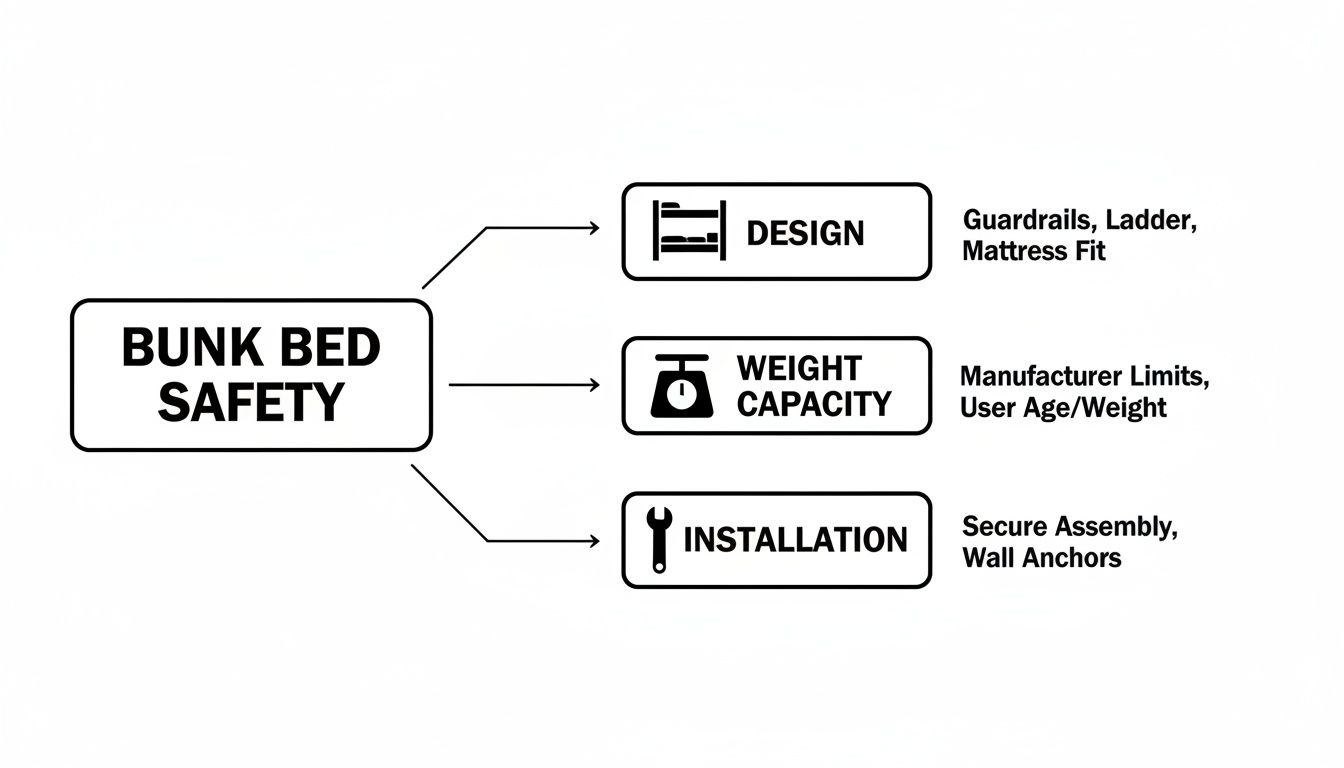
The short answer is yes—when the bed is engineered for its intended use, built with substantial materials, installed correctly and paired with sensible house rules. Safety is not a matter of appearance alone. It depends on the complete system: frame strength, guardrails, mattress fit, access, installation, room layout and ongoing maintenance.
A sturdy bunk system can add valuable sleeping space to a beach house, condo, family home or high-traffic vacation rental. The goal is to create a dependable feature that works for children, teens and adults while fitting the room properly.
What the Injury Data Tells Us
Research on bunk-bed injuries has consistently identified falls as the most common problem. A widely cited study of U.S. emergency-room visits from 1990 through 2005 recorded approximately 572,580 bunk-bed-related injuries among people under 21—about 36,000 per year.
The figures need context. Many incidents involved falls from an upper bunk, and young children were particularly vulnerable. The findings point to specific, preventable risks rather than proving that bunk beds are inherently unsafe. Inadequate guardrails, improper use, poor mattress fit and weak construction are all factors that can be addressed during design and installation.
The Main Bunk-Bed Safety Risks
- Falls from the upper bunk: Low or incomplete guardrails, climbing, horseplay and placing a young child on the top bunk can increase the risk.
- Structural movement or failure: Lightweight materials, weak connections and undersized hardware may loosen or flex under repeated use—especially when adults use the bunks.
- Entrapment: Improper gaps around the mattress, guardrails, headboard or footboard can create hazards for smaller children.
- Unsafe access: A loose ladder, narrow rung or poorly supported staircase can make getting into and out of the upper bunk more difficult.
These risks are why a safe bunk bed should be evaluated as an engineered structure, not simply as a decorative piece of furniture.
Features of a Safer Bunk Bed
| Area | What to look for |
|---|---|
| Construction | Solid wood components, substantial support members, secure connections and a frame that remains stable during normal use. |
| Guardrails | High, firmly attached rails on exposed sides of the upper bunk, designed around the mattress height. |
| Mattress fit | A properly sized mattress that sits securely in the frame without hazardous gaps. |
| Access | A securely fastened ladder or, where space allows, integrated stairs with wider treads and a handhold. |
| Capacity | An adult-rated design appropriate for the real conditions of a family home or vacation rental. |
| Installation | Careful assembly and anchoring as appropriate for the design and room, with all joints and hardware checked. |
Why Heavy-Duty Construction Matters in Vacation Rentals
Rental furniture must be prepared for guests who vary in age, size and habits. A bunk bed that is adequate for occasional use by small children may not be appropriate for teenagers or adults. Guests may also use the room more frequently and less carefully than the original owner anticipated.
Heavy-duty bunk beds use solid materials and robust hardware to create a more stable structure with a greater margin for everyday use. Adult-rated construction is especially important in vacation homes where groups and families may share the room. Strength does not replace safe behavior, but it is an important part of reducing wobble, loosening and premature wear.
Guardrails, Mattresses and Entrapment Prevention
Guardrails need to remain sufficiently above the top of the mattress. U.S. Consumer Product Safety Commission guidance commonly referenced for bunk beds calls for the top of the guardrail to extend at least five inches above the mattress surface. Mattress thickness matters: a taller mattress can reduce the effective height of a rail that looked adequate with a thinner mattress.
For that reason, mattress dimensions should be considered during the design process rather than after the bed is built. The mattress should fit snugly within the sleeping platform, and openings around the frame, guardrails and end panels should not create entrapment concerns. Solid headboards and footboards can also help create a more enclosed, controlled sleeping area.
Stairs or Ladder?
A properly secured ladder can be a practical choice where floor space is limited. It should be rigidly attached, easy to grip and free from loose or slick rungs.
Integrated stairs may be a better fit for some Florida bunk rooms, particularly those used by younger children or guests making nighttime trips to the bathroom. Wider treads provide a more substantial stepping surface, and stair units can sometimes include storage. The best choice depends on the room dimensions, desired capacity and overall design.
Installation and Room Layout Are Part of Safety
Even a well-built bunk bed can be compromised by poor assembly or an unsuitable location. Connections should be aligned and tightened correctly, and the finished structure should not wobble or shift during normal use.
Before selecting a design, consider:
- Ceiling clearance: Allow enough space above the upper mattress for comfortable sitting and movement. The exact requirement depends on the design, mattress and room.
- Fans and windows: Avoid placing a bunk directly beneath moving fan blades or beside an accessible window where a fall could occur.
- Walkways: Keep the ladder, stairs and floor area clear of luggage, toys, beach gear and other trip hazards.
- Room geometry: Account for corners, soffits, sloped ceilings, doors and electrical features before finalizing the layout.
- Mattress access: Leave enough practical space to make beds, inspect the frame and clean between guests.
Custom design can be especially useful in coastal homes and vacation rentals, where rooms may be compact or have unusual layouts. A bunk system designed for the actual ceiling height and wall dimensions can make better use of the space than a standard bed placed wherever it happens to fit.
House Rules for Bunk-Room Safety
Clear instructions are essential in a vacation rental. Consider including these rules in the property guide and communicating them to children:
- Children under six should not sleep on the upper bunk.
- Only one person should use the upper bunk at a time.
- Bunks are for sleeping—not jumping, wrestling or climbing on guardrails.
- Use the ladder or stairs when entering and leaving the upper bunk.
- Keep bags, toys, shoes and beach equipment away from the access area.
- Do not modify the bed or remove guardrails, ladders or support components.
Inspection and Maintenance for High-Traffic Properties
Vacation-rental owners should include bunk beds in their regular turnover inspections. Between stays, check the frame for movement, test the guardrails, inspect the ladder or stairs and confirm that the mattress remains properly positioned.
At regular intervals, review the bolts, screws and other connections for loosening. Look for cracked wood, damaged supports, worn steps or other changes in the structure. If anything feels unstable or appears damaged, take the bed out of service until it has been evaluated and corrected.
Choosing the Right Bunk System for Your Florida Property
The safest choice is one that matches the property’s actual use. A family bunk room, a compact condo and a large vacation rental may each require a different configuration. Solid-wood construction, adult-rated strength, appropriate guardrails, a well-fitting mattress and professional-quality assembly all contribute to a more dependable result.
At Florida Bunk Beds, we help homeowners and property managers browse designs for coastal homes and vacation rentals throughout the Florida Panhandle, Florida Gulf Coast and down to Key West. We can discuss room dimensions, sleeping capacity, ladder or stair preferences and the practical demands of your property before preparing a quote.
Frequently Asked Questions
Are bunk beds safe for adults?
They can be, provided the design is specifically built and rated for adult use, assembled correctly and used according to its intended capacity. Many lightweight retail beds are not comparable to heavy-duty, adult-oriented construction.
What age is appropriate for the top bunk?
Children under six should not use the upper bunk. Older children should still be able to use the ladder or stairs safely and follow the property’s rules.
Are stairs safer than a ladder?
Stairs can offer wider, more stable treads and may be easier for some users, but either option must be securely designed and attached. The right choice depends on the room and intended guests.
How often should a rental bunk bed be checked?
Inspect it during turnover or at least regularly between guest stays. Also perform periodic hardware and structural checks, and address any wobble, damage or unusual movement promptly.
Can a custom bunk bed improve safety?
Customization can help the bed fit the room, mattress, ceiling height and intended use more accurately. A better fit does not eliminate the need for supervision and house rules, but it can support a more complete safety-focused design.
Discuss Your Bunk-Room Project
Browse the available designs, then call or text Carson or Andy at 850-361-9988 to discuss your space and request a quote for your Florida home or vacation rental.