Owners and managers on 30A, Santa Rosa Beach and Seaside often ask the same practical question: will adding a well-designed bunk room actually help bookings? While every property and market is different, you can increase appeal to families and larger groups by treating the bunk room as a strategic amenity—one you advertise and present thoughtfully.
Think like the guest: what families and groups look for
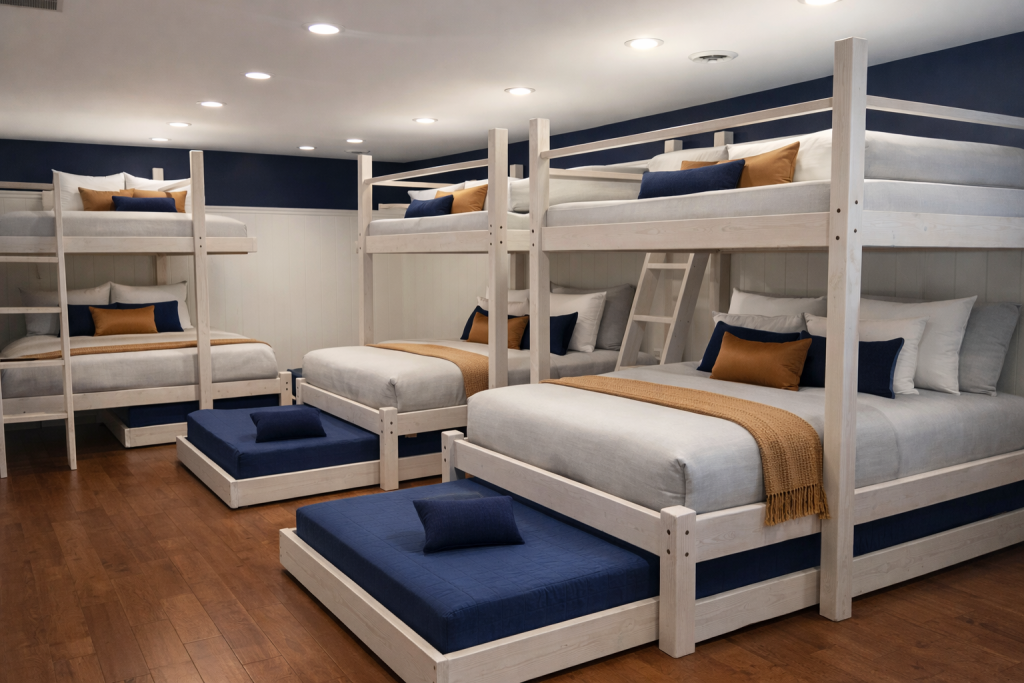
Families and multi-generation groups visiting 30A want more than extra beds. They want a room that’s comfortable for adults, easy for hosts to manage at turnover, and clearly described in the listing so expectations match reality. When bunk rooms are designed and presented with adults in mind—durable mattress options, guardrails and secure stairs, storage for luggage and personal items—they stop being a “children’s novelty” and become a flexible asset that helps you welcome more guests without shrinking perceived quality.
Positioning your bunk room in the listing
How you write about the bunk room matters almost as much as the physical build. Use short, concrete bullets and a confident, accurate headline. Examples of effective listing copy:
- “Coastal bunk room sleeps 4 — two full-size beds with built-in storage — perfect for families or groups.”
- “Adult-friendly bunks: queen-over-queen with stair access and roomy under-bed drawers.”
- “Flexible sleeping: two queens downstairs & twin bunks upstairs — sleeps up to 10 comfortably (see bed list).”
Include a clear bed list near the top of the listing: bedroom names and exact configurations (queen, twin, trundle, bunk). That eliminates confusion and reduces accidental negative reviews caused by mismatched expectations.
Staging and guest-focused details that lift appeal
Staging a bunk room for photos and showings makes a big difference:
- Use neutral, durable bedding: Layer washable mattress protectors with crisp, coastal-colored linens. Avoid frilly or child-only themes—aim for an all-ages look.
- Keep circulation clear: Photograph and stage the room so there’s a visible path and standing room beside the beds. That signals usability for adults and ease for cleaning crews.
- Show storage options: If your design includes drawers, cubbies, or luggage shelves, pull one drawer slightly to show scale. Guests value storage almost as much as sleeping surfaces.
- Light and scale: Shoot with natural light where possible. Add a small bench or ottoman so viewers can judge scale—this helps guests visualize adults using the space.
Photo tips that convert views into bookings
Listings with a clear bunk-room shot perform better than listings that hide extra sleeping areas. Use three targeted photos:
- Main wide-angle of the bunk room showing the entire layout.
- Detail of access (stair or ladder) and storage features.
- Context shot showing proximity to a shared bathroom or family room so guests know flow and privacy level.
Always caption bunk-room photos in the gallery: “Bunk room — queen-over-queen with stairs and storage (sleeps 4).” That copy reduces questions and speeds booking decisions.
Amenity pairings that make bunk rooms irresistible
Think of the bunk room as part of a family-focused package. Pair it with amenities that reduce friction for guests and increase perceived value:
- Easy bathroom access: advertise whether the bunk room is en-suite or shares a nearby bath.
- Kids’/family kit options: packing lists or rentable extras (pack-and-play, extra linens) can be offered by the manager; mention available options in the listing.
- Storage and staging areas: luggage racks, hooks, and baskets reduce clutter.
- Noise and privacy notes: describe doors, curtains, or sightlines honestly so groups understand how noise travels.
Design choices that support heavy turnover and long stays
For 30A vacation rentals you’ll want bunk beds built to handle adult use and frequent changeovers. Consider these design elements in your planning and descriptions:
- Stairs with built-in drawers to speed turnover and store linens.
- Trundle options for flexible occupancy across nights.
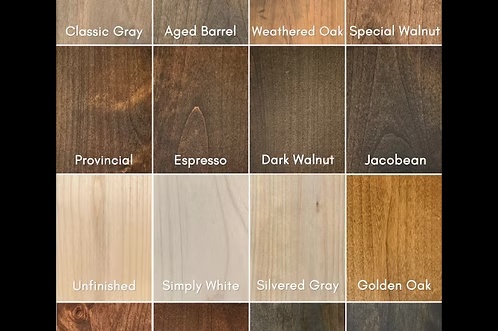
- Durable finishes and easily-cleaned slat or platform systems compatible with standard mattress protectors.
How to test messaging and pricing without guessing
Rather than claiming a guaranteed ROI, use small tests: add the bunk room to your listing and try a short pricing experiment—run weekly or weekend discounts that highlight the room for family groups. Track inquiry rates, booking length, and feedback for a month. If you see more family inquiries and longer bookings, you’ve found supporting evidence without overstating a promise.
Practical next steps for 30A owners and managers
- Audit your listing: add a clear bed list, a captioned bunk-room photo, and 2–3 bullet points describing adult-ready features.
- Stage and photograph: follow the photo checklist above and replace any toy-heavy or child-themed imagery with neutral coastal styling.
- Package amenities: create a short paragraph in the listing about family conveniences—storage, linens, and bathroom access.
- Talk to a builder who specializes in vacation-rental bunk rooms to confirm sizing, stairs vs ladder trade-offs, and storage options.
If you want to visualize options for your space, use the Bunk Bed Builder to upload photos and try layouts. For design help specific to 30A properties—from queen-over-queen plans to built-in storage—see our page on vacation rental bunk beds and explore adult-friendly configurations that suit Santa Rosa Beach and Seaside homes.
Ready to talk through measurements and configurations? Call or text Carson or Andy at 850-361-9988 to discuss your room, measurements, bunk-bed configuration, and quote.
Helpful internal resources:
- vacation rental bunk beds — options and examples for Airbnb and VRBO properties.
- Bunk Bed Builder — upload a room photo and try layouts.
- adult bunk beds — designs focused on adult use and durability.
- bunk beds with storage — drawer and stair-storage ideas that speed turnover.