When you search for freestanding vs built-in bunk beds, you’re usually weighing long-term flexibility against a perfectly integrated look. For Tampa Bay condo owners, vacation-rental hosts, and contractors, that tradeoff affects guest experience, cleaning and turnover, and how the room functions after a remodel or sale. This article walks through the practical pros and cons of each approach so you can pick the best solution for your Tampa Bay property.
How freestanding and built-in bunk systems differ
At a high level:
- Freestanding bunk beds are standalone units that sit on the floor and can be moved or removed without altering the room’s structure.
- Built-in bunk beds are custom-fit to a room, often anchored to walls or integrated into alcoves, trim, and storage for a tailored, finished appearance.
Both styles are available as adult-friendly, heavy-duty configurations—queen-over-queen, twin-over-queen, triple, quad, or with trundles and storage—so mattress arrangement and capacity don’t have to be a limiting factor.
Flexibility and future use
Freestanding: The biggest advantage is mobility. A freestanding bunk bed can move to another room, be removed between rentals, or be sold separately. If you manage multiple properties or anticipate changing room layouts, freestanding units make transitions easier.
Built-in: Built-ins lock the sleeping solution to the room. That’s ideal if you want a finished, permanent bunk room—especially in a primary vacation rental where maximizing sleeping capacity and a polished look are priorities. However, built-in beds are less adaptable if you later decide to repurpose the space.
Installation complexity and site prep
Freestanding: Installation is usually quicker and less invasive. Units arrive and are assembled in place without the need for wall finish work or framing modifications. This can reduce on-site disruption for short turnover windows.
Built-in: Built-in bunk beds involve room-specific planning—measuring ceiling height, locating windows and outlets, and often coordinating trim, paint, or cabinetry work. Built-ins may require more coordination with contractors or installers. For a smooth process, provide photos, measurements, and sketches up front so the design can account for local constraints like window placement and ceiling slope.
Cleaning access and turnover efficiency
Freestanding: Because freestanding bunks can be moved, you can shift them to clean floors, vacuum under footboards, or replace mattresses more easily. For vacation rentals and high-turnover properties in Tampa Bay, that flexibility can speed cleaning and reduce labor.
Built-in: Built-in designs can incorporate clever cleaning access—removable panels, drawers that pull out fully, and open toe-kicks that reduce hidden dust traps. But if a built-in is fixed tight against walls or under windows, some cleaning tasks (like lifting a mattress or deep-cleaning frames) become harder. When planning a built-in, discuss removable components with your designer so the bed looks finished while remaining maintainable.
Resale value and perceived finish
Built-in: A well-executed built-in often reads as a finished architectural feature, which many guests and buyers appreciate in coastal properties. It can make a small bunk room feel intentional and high-end—particularly useful for boutique rentals or second homes where aesthetics matter.
Freestanding: Freestanding beds are easier to re-market and reuse, which can be a resale advantage for owners who want assets that move with them. In some resale scenarios, a buyer may prefer a neutral, unfixed bedroom over a room converted to a permanent bunk suite.
Customization: balancing fit and future changes
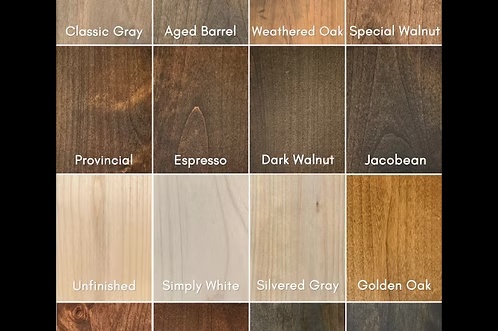
Both freestanding and built-in options can be highly customized. Florida Bunk Beds designs around a customer’s room, desired sleeping capacity, mattress configuration, ceiling height, and floor space. Whether you want stairs with storage, ladders, drawers, trundles, or custom finishes, planning begins with measurements and photos.
If you like the look of built-ins but want some flexibility, consider designs with removable bunk modules or built-in frames that accept changeable inserts. Discuss these options early so the bed can deliver a built-in appearance without permanently eliminating future reconfiguration options.
Practical checklist for Tampa Bay condos and beach homes
- Measure ceiling height and note any sloped ceilings or ducts that could affect top-bunk clearances.
- Locate windows, HVAC returns, and outlets—these affect headboard and storage placement.
- Decide whether stairs or ladders are preferable for adult guests; stairs can double as storage but take more floor space.
- If short-term rentals are your business, think about cleaning access and how easily mattresses and bedding can be changed.
- Consider whether you’ll want to move beds between properties—if so, lean freestanding or modular built-ins.
When to choose each option
Choose freestanding if you need mobility, faster installation, or anticipate reusing or selling the unit. Choose built-in if you want a finished, space-optimized room that reads as part of the architecture and you don’t plan to remove the beds later.
Design next steps
Start by visualizing your room with the Bunk Bed Builder. Upload a photo, enter dimensions, and test freestanding and built-in concepts to see how each approach affects circulation, headroom, and storage. If you prefer to talk details, call or text Andy at 850-361-9988 to discuss your measurements and quote.
Explore design ideas and options: visit built-in bunk beds for custom built-in solutions, browse available bunk bed designs for starting points, or request a bunk bed quote to begin planning with measurements and photos.
Whether you pick a freestanding bunk bed or a built-in solution, prioritizing adult-friendly dimensions, cleaning access, and a layout that fits your Tampa Bay property will deliver the best long-term result for guests and owners alike.