When you’re managing vacation rentals or beach houses from the Panhandle to South Florida, asking the right questions about heavy-duty triple bunk beds during vendor vetting saves time and prevents surprises. Below are 15 straightforward, non-technical questions to bring to a consultation, plus the photos that help vendors answer each one faster and more accurately.
How to use this list
Bring these questions to your supplier meeting or include them in your RFP. For each item we note the photo or detail to provide — a few images and measurements will usually get you meaningful answers without needing engineering drawings.
15 construction questions to ask (with photos to show)
1. What joinery methods connect the primary posts and rails?
Why ask: Joinery style affects long-term stability and how easy the bed is to tighten or service later.
Photo to show: Clear shots of the bed sides where rails meet posts (or the vendor’s typical assembly photo).
2. What hardware is used at major load points (bolts, brackets, plate connectors)?
Why ask: Knowing the type of connectors helps you compare durability and noise risk between suppliers.
Photo to show: Close-ups of bolt heads, bracket plates, or packaged hardware lists. Also useful: the vendor’s spec photo or an exploded-view image.
3. Are fasteners accessible for future tightening and maintenance?
Why ask: Vacation rentals see heavy turnover; accessible fasteners make routine checks and tighten-ups simple.
Photo to show: A view of fastener access points from outside and inside the frame (sides, underside, stair units).
4. How are guardrails attached and can they be removed for cleaning or repainting?
Why ask: Removability helps with turnover cleaning, repairs, and refinishing between seasons.
Photo to show: Guardrail attachment detail and a photo of the guardrail removed if available.
5. What mattress-support system is used (slats, platform, solid deck)?
Why ask: Support type influences mattress compatibility, air circulation, and noise.
Photo to show: Underside or cross-section showing slats or platform construction.
6. How does the design allow mattress replacement or inspection?
Why ask: You’ll want to swap mattresses quickly during turnovers without disassembling the whole bed.
Photo to show: How a mattress lifts out or a panel that opens for access.
7. Are stairs or ladders integrated? How are their treads secured?
Why ask: Stairs are preferred in adult bunk rooms — check how treads attach and whether they’re replaceable.
Photo to show: Stair or ladder attachment points and tread detail.
8. For built-ins: how does the frame anchor to the wall and what access is left for future maintenance?
Why ask: Anchors affect reconfiguration options and access to electrical or HVAC behind the bed.
Photo to show: Wall-to-frame connection detail and the wall area behind the bed.
9. Are connections designed to limit squeaks and movement over time?
Why ask: Quiet, stable assemblies reduce guest complaints and perceived quality.
Photo to show: Any vibration-damping finishes, rubber washers, or tight-fitting hardware details the vendor uses.
10. What finish options are used near moist or coastal environments?
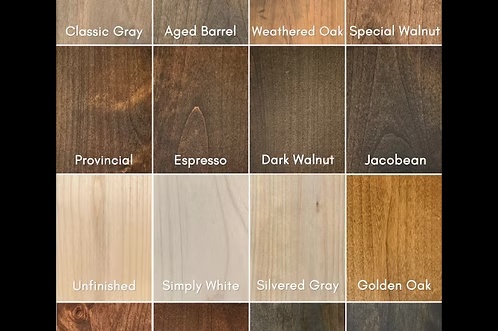
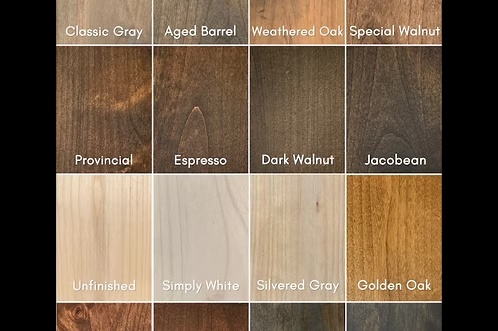
Why ask: Coastal properties benefit from finishes that resist humidity and salt; ask what maintenance those finishes need.
Photo to show: Close-up of the finish and any edge-seal details.
11. Can the design be modular for future mattress-size changes or reconfigurations?
Why ask: Rooms evolve — modular components let you switch mattress sizes or remove a bunk later.
Photo to show: Connection details that would allow a module to be swapped or removed.
12. How are storage elements (drawers, cubbies) built into the frame and accessed?
Why ask: Built-in storage needs durable glides and secure attachment points to resist heavy turnover use.
Photo to show: Drawer slide mounts, underside of drawers, and access panels.
13. How is ventilation and moisture managed under mattresses?
Why ask: Good airflow prevents odor buildup and extends mattress life, especially in humid Florida climates.
Photo to show: Slat spacing or perforated platform photos and any raised feet or air gaps.
14. What parts are replaceable and does the vendor supply a parts list?
Why ask: Knowing which components are replaceable saves downtime and simplifies repairs between bookings.
Photo to show: Typical spare parts (brackets, slats, treads) or a vendor parts-chart image.
15. Can you see a photo or diagram of the bed fully assembled to confirm clearances and egress?
Why ask: A finished assembly photo helps you verify ceiling clearance, guardrail heights, and room circulation for guests.
Photo to show: Full-room assembled shot with a person or scale reference to judge clearances.
What to bring to the consultation
- Room photos: at least one from each corner, a ceiling photo, and the wall you plan to place the bunks against.
- Measurements: wall-to-wall, ceiling height, window/door locations, and any obstructions (vents, closets).
- Desired mattress sizes and preferred access type (stair or ladder).
- A few example images of the look or configuration you want.
Helpful links and next steps
For a deeper dive on the hardware and fasteners you’ll hear vendors talk about, read Florida Bunk Beds’ Bunk Bed Hardware Guide. If you want to visualize a layout for a specific room, try the Bunk Bed Builder to upload photos and measurements. For questions about triple-bunk options, see our custom triple bunk beds page.
Final note and quick checklist
Keep this short checklist on your tablet during calls: hardware type, fastener access, mattress support style, guardrail removability, stair/ladder attachment, modularity, finish, replaceable parts, and ventilation. If a vendor can’t show clear photos or simple answers for these items, ask for clarification before signing anything.
Ready to talk through a room from the Panhandle to South Florida? Call or text Carson or Andy at 850-361-9988 to discuss measurements, mattress sizes, and a custom quote. We’ll walk you through photos and give you the details you need to decide confidently.